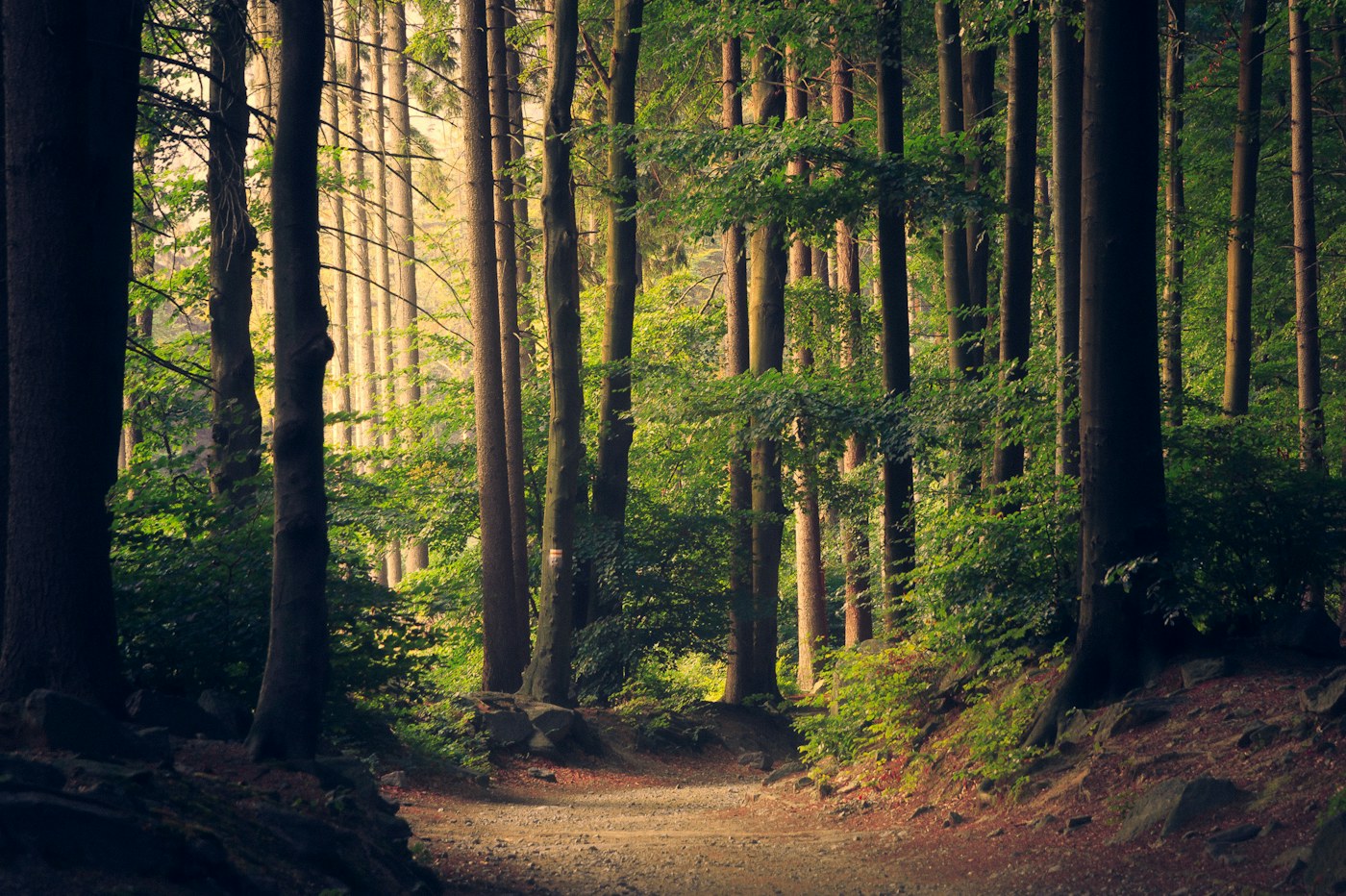
Choose a route you already know
An observation walk does not need a special destination. It can happen on a quiet street, in a garden or along a route already in your routine. Choose an accessible place and conditions that suit you. The idea is to notice details, without promising clinical benefits or requiring a particular distance. If you prefer to remain seated, a window or bench offers another way to observe nearby surroundings with a little more time.
Give your attention a specific question
Instead of trying to notice everything, choose a question: how many leaf shapes can I see, how does light fall on buildings, or which sounds distinguish this stretch from the previous one? Exact counting is unnecessary. The question simply guides attention. Stay aware of traffic and shared space; stop somewhere safe to write or take photographs. The exercise becomes unhelpful if it makes you ignore what is happening around you.
Describe without identifying everything immediately
You can note “a tree with small leaves” without knowing the species. Separate description from a confirmed identification. If an app suggests a name, treat it as a possibility to check, not permission to touch or collect plants. Keep your distance from animals and respect private property and marked paths. Curiosity can remain a record of colours, textures and movement without removing anything or turning every observation into research.
Finish with a small discovery
At the end, write three details and one unanswered question. Perhaps a sound came from an unexpected direction, or a building had a date you had never noticed. Return another time if you wish, without an obligation to maintain a daily streak. If the format did not interest you, change the question or stop. The aim is a more attentive encounter with a familiar route, not another task to complete.