Give the first observation time
Choose a painting in a digital collection or exhibition and observe for a minute before reading its label. Describe what you can actually identify: figures, objects, shapes and empty areas. Then separate that description from the ideas that arose. A person with their back turned is observable; concluding they are sad is already interpretation. This distinction does not prevent imagination, but helps identify the elements supporting your reading.
Look for light and relationships between colours
Notice light and dark areas and what first catches your attention. A small area can stand out against its background even away from the centre. Avoid assigning each colour a universal meaning: effects depend on relationships within the work and its context. In a digital reproduction, screen brightness and photographic conditions influence what you see too. Do not treat an online image as an exact measurement of the original’s colours.
Follow the eye’s journey
Observe how lines, gestures or repetitions connect different parts. Does your gaze return to a figure? Does an area seem to continue beyond the frame? Describe that journey in two sentences. In a museum, keep the required distance and do not touch the work. With a digital image, enlarge details and then return to the whole. A detail can gain a different meaning once it is no longer seen in isolation.
Read the label and seek context
Now consult title, artist, date and technique where available. Check whether they confirm or change the initial hypothesis. A title does not necessarily explain every element; nor does a date justify assigning intentions without further references. For deeper research, prefer the institution’s collection entry or identified scholarship. Distinguish documented information from your proposed interpretation. The first observation remains useful even when it needs correcting.
Write a reading others can discuss
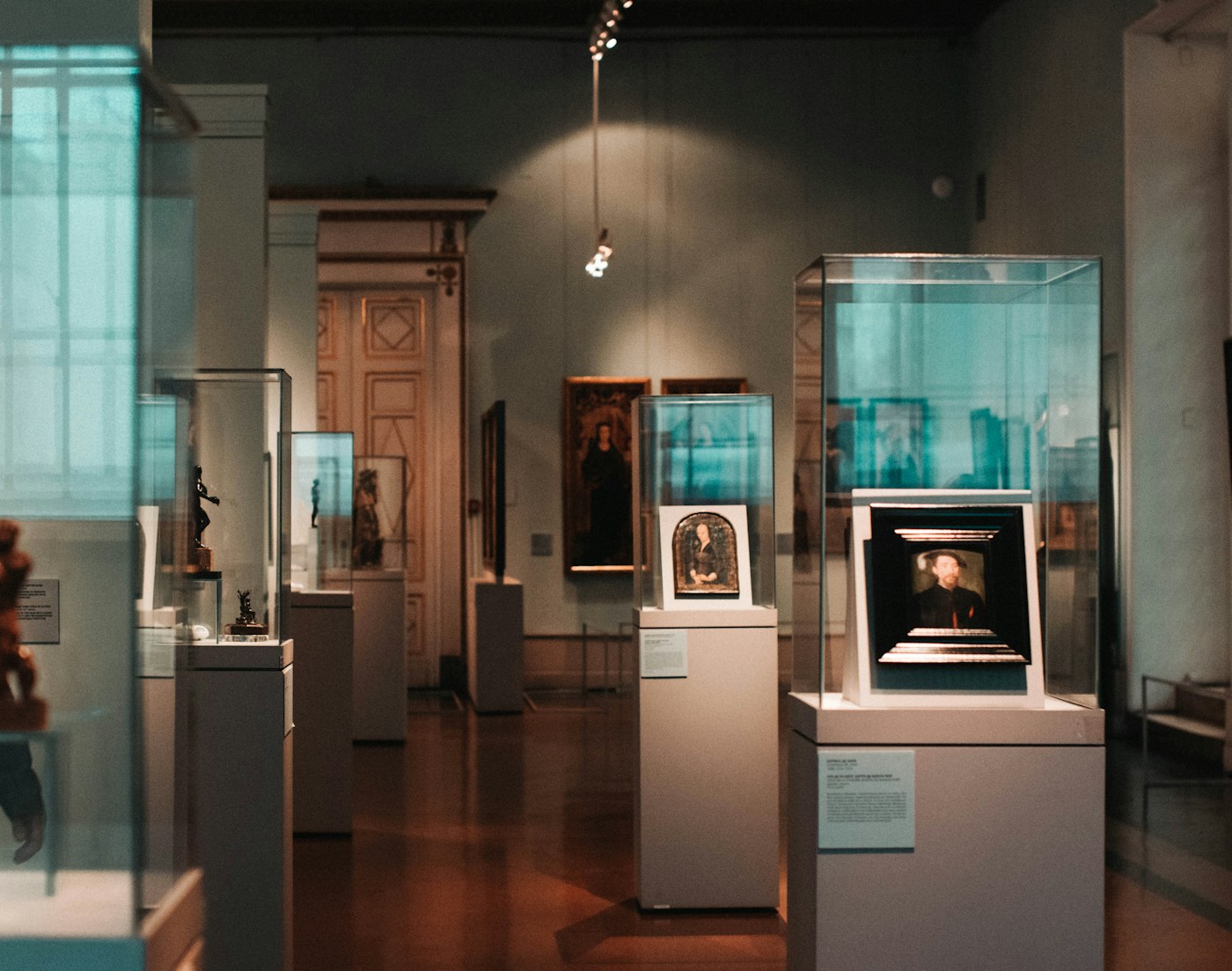
Finish with an idea and two visual examples supporting it. Instead of merely calling the painting calm, explain which relationships created that impression. Someone else may choose different examples or disagree. Conversation gains depth when both point to concrete elements. The photograph illustrates a museum visit. This exercise does not seek a secret answer, but a more attentive gaze and a clearer interpretation.