The water did not pass through the glass
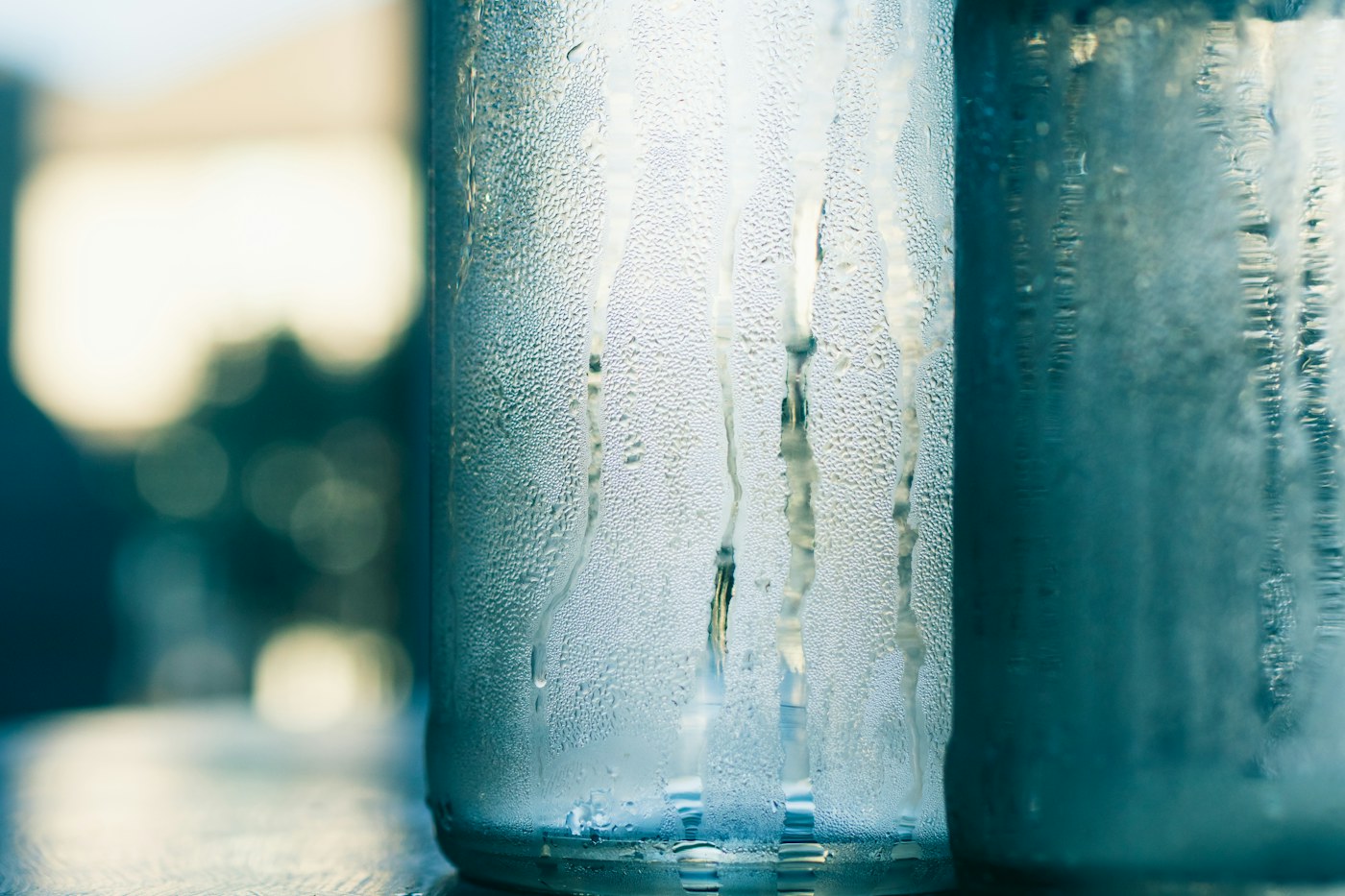
An intact glass containing a cold drink can become wet outside without losing liquid from within. The surrounding air contains water in its gaseous state, usually invisible. When it encounters a sufficiently cold surface, some vapour can become liquid. The tiny droplets appearing outside are an example of condensation. The explanation therefore begins with air near the container rather than water supposedly passing through glass.
Cold and humidity work together
There is no single glass temperature that always produces the same result in every environment. Surface temperature and nearby air conditions matter, including how much water vapour is present. The dew point helps describe when that air becomes saturated as it cools. In a drier location, the same container may show fewer droplets. Comparing only the drink’s temperature leaves part of the explanation out.
Why droplets join and run down
Initially, you may notice a faint film or very small droplets. As droplets combine, some grow larger and eventually run down. Appearance also depends on the surface and elapsed time. A wet napkin beneath a drink does not demonstrate that the glass is cracked. To distinguish situations, observe whether liquid comes from an opening, whether a spill occurred or whether moisture is distributed over a cooled exterior area.
A simple observation without special equipment
Place a cold glass and another at room temperature on dry coasters, away from electrical equipment. Keep them in the same place and record what you see for a few minutes. No added substances or heated containers are necessary. Comparison helps formulate a hypothesis without measuring every variable. Note whether a glass was already wet, and avoid assuming one day’s result describes every environment.
Connect the glass with the water cycle
Condensation also contributes to cloud formation and can occur on outdoor surfaces. The contexts differ, but the change from vapour to liquid helps connect them. The photograph illustrates droplets on a container rather than documenting the proposed exercise. Next time, ask where the water came from and which conditions changed. This distinction turns a small tabletop inconvenience into an opportunity to understand a change of state.